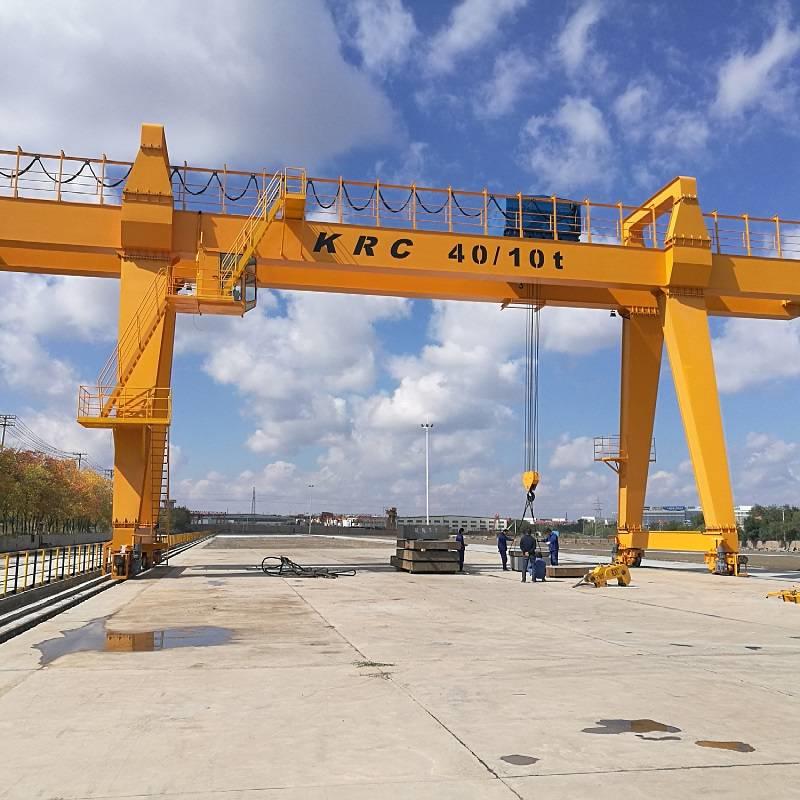
Этапы установки мостового крана европейского типа

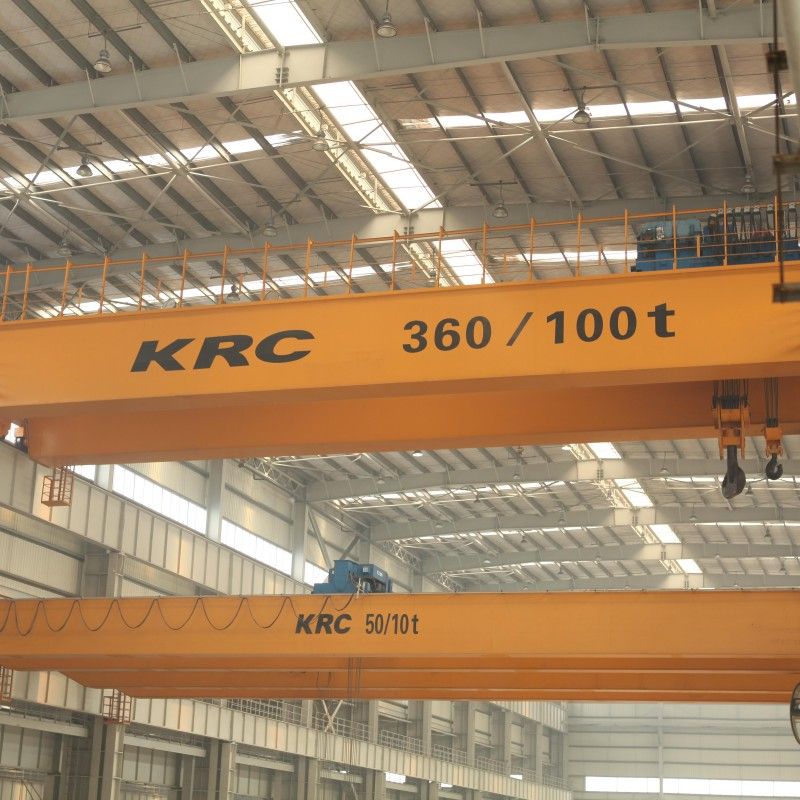
1.Site Survey and Safety Precautions: 2.Track Installation: 3.Main Beam Installation: 4.Electrical Installation and Commissioning: 5.Testing and Commissioning: These steps outline the systematic process for installing a European Type Bridge Crane, ensuring safety, proper installation of components, and adherence to electrical standards before commissioning.

Этапы установки мостового крана европейского типа Читать дальше »

Лебедки с постоянным натяжением

Главные преимущества использования строительной лебедки на строительной площадке

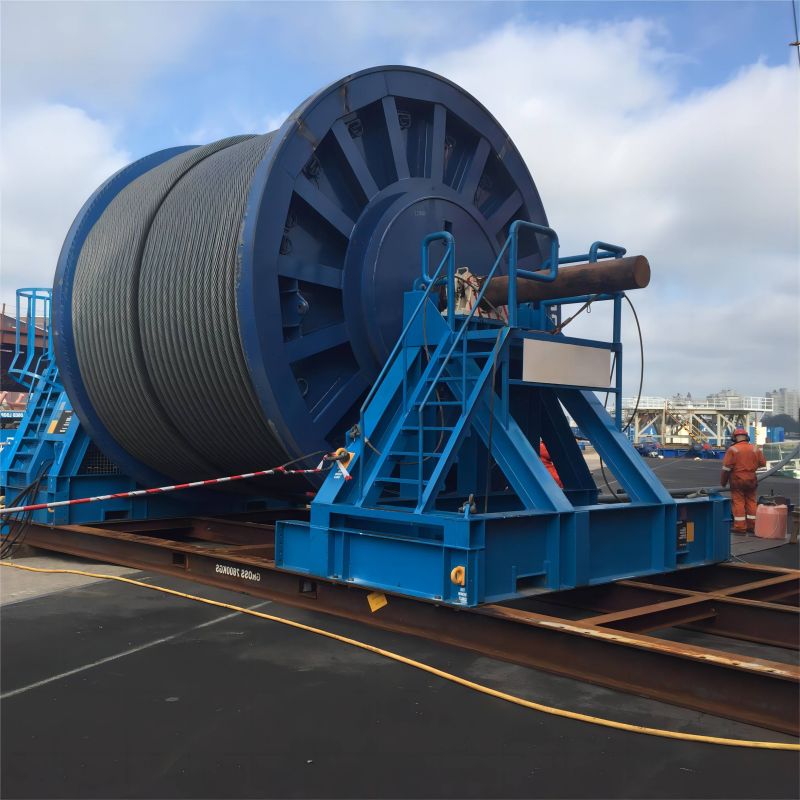
In the demanding environment of a construction site, having the right equipment is crucial to completing projects efficiently and safely. One of the most versatile and indispensable tools on any jobsite is the construction winch. At KRC, our construction winches are engineered to provide unmatched performance, reliability, and safety, making them an essential asset for a wide range of tasks. In this article, we explore the top advantages of using a KRC construction winch and how it can enhance productivity and safety on your jobsite. Enhanced Load Handling and Versatility Construction projects often involve lifting and pulling heavy materials, equipment, and structures. KRC construction winches are designed to handle these tasks with ease, providing the strength and versatility needed for a variety of applications. Whether you’re lifting beams, positioning heavy machinery, or pulling large structures into place, our winches offer the power and precision required to get the job done efficiently. Key Benefits: Increased Safety and Control Safety is a top priority on any construction site, and KRC construction winches are equipped with advanced safety features to protect workers and equipment. Our winches are designed with precise control mechanisms that allow for smooth and accurate load handling, reducing the risk of accidents and ensuring that operations are carried out safely. Key Benefits: Durability and Reliability in Harsh Conditions Construction sites often present challenging environments, with extreme weather, rough terrain, and heavy-duty operations. KRC construction winches are built to withstand these conditions, offering durable and reliable performance even in the harshest environments. Our winches are constructed with high-quality materials and components, ensuring long-lasting durability and minimal maintenance requirements. Key Benefits: Improved Efficiency and Productivity Time is money in the construction industry, and the efficiency of your operations can significantly impact project timelines and costs. KRC construction winches are engineered to optimize efficiency, helping you complete tasks faster and with greater accuracy. With features such as high-speed operation and easy-to-use controls, our winches contribute to smoother workflows and increased productivity on the jobsite. Key Benefits: Conclusion Investing in a KRC construction winch provides numerous advantages that enhance the safety, efficiency, and versatility of your jobsite operations. With high load capacities, advanced safety features, and rugged durability, our winches are the ideal choice for any construction project. By choosing KRC, you’re ensuring that your team has the reliable tools they need to complete tasks efficiently and safely, no matter the challenges they face.

Главные преимущества использования строительной лебедки на строительной площадке Читать дальше »

Лебедка или подъемник: понимание ключевых различий для оптимального выбора оборудования

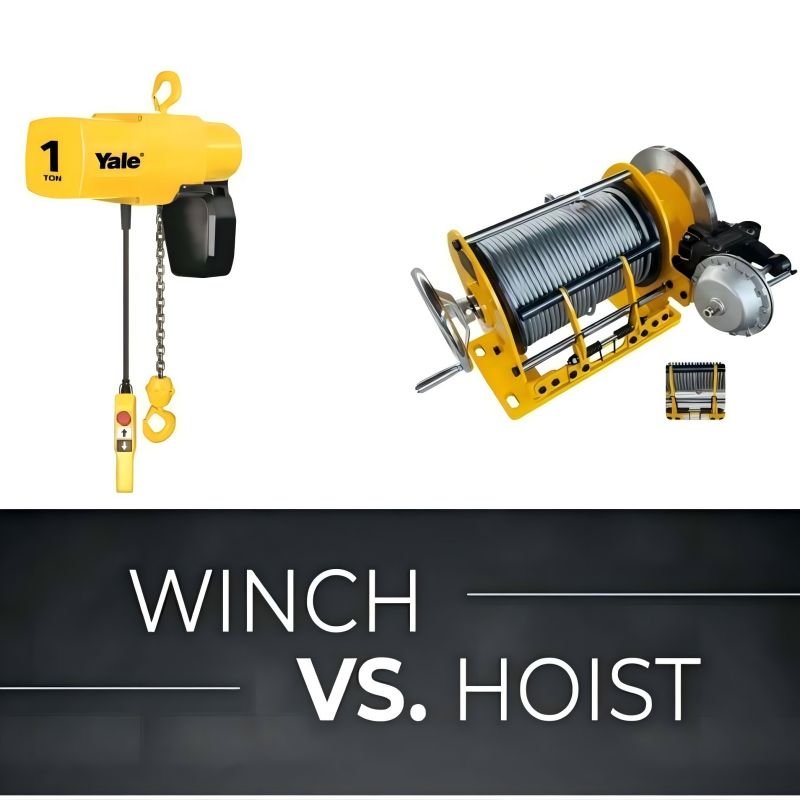
When selecting the right equipment for lifting, pulling, or positioning loads, the terms “winch” and “hoist” are often used interchangeably. However, understanding the fundamental differences between these two devices is crucial for choosing the appropriate tool for your specific application. In this detailed guide, we explore the distinctions between winches and hoists, their unique features, and how to determine which one best suits your operational needs. What is a Winch? A winch is a device used primarily for pulling or dragging loads horizontally over a surface. It consists of a drum that winds a cable, rope, or chain, driven by a motor or manual crank. Winches are commonly used in various industries, including construction, marine, and automotive, for tasks such as vehicle recovery, towing, and positioning heavy materials. Key Features of Winches: What is a Hoist? A hoist, on the other hand, is specifically designed for lifting and lowering loads vertically. It is equipped with a drum or wheel that winds a cable or chain, raising or lowering the load. Hoists are commonly used in industrial settings, such as warehouses, factories, and construction sites, for lifting heavy materials to different heights. Key Features of Hoists: Differences Between Winches and Hoists While winches and hoists may appear similar, their differences lie in their intended use, design, and operational capabilities. Understanding these differences is key to selecting the right equipment for your needs. 1. Purpose and Application 2. Direction of Force 3. Power and Capacity 4. Safety Mechanisms When to Use a Winch A winch is your go-to tool when you need to pull or drag a load horizontally. Common scenarios where a winch is ideal include: When to Use a Hoist A hoist is the preferred tool for lifting and lowering loads vertically. Situations where a hoist is essential incl Diagram: Winch vs. Hoist Functional Differencesude: How KRC Can Help Now that the distinction between a winch and a hoist is clear, you might be eager to acquire one for your enterprise. At KRC, we take immense pride in offering premier winches and hoists, tailored for a myriad of industries and applications. From inception to completion, our team stands ready to provide unparalleled support, ensuring your unique requirements are met with precision. As our Senior Application Engineer, CarolDuan, elaborates, “Our initial step involves discerning the nature of our client’s venue. Is it for entertainment or industrial purposes? If the scenario entails lifting above people, we engage our specialized theatre team for a thorough evaluation and assistance.” Reach out to us today to embark on your journey!

Лебедка или подъемник: понимание ключевых различий для оптимального выбора оборудования Читать дальше »

Электрическая тросовая лебедка KJX

Как узнать, какой размер электрической лебедки мне нужен?

Choosing the right size electric winch for your needs can be a bit daunting, especially with the various options available. However, with a few considerations, you can easily determine the right size for your specific application. Here’s what you need to keep in mind: Determine the Weight of the Load Understand Load Requirements: The first step is to know the weight of the object you plan to move or lift. For example, if you’re using the winch to pull a vehicle, consider the total weight of the vehicle. Always choose a winch with a capacity higher than the maximum load to account for any additional forces or unforeseen circumstances. Safety Factor: A common rule of thumb is to choose a winch that has a pulling capacity at least 1.5 times the weight of the load. This safety factor ensures that the winch can handle the load without overexerting itself, which could lead to failure. Winch Size Calculator KRC Consider the Line Pull Rating Line Pull Definition: The line pull rating of a winch is the maximum weight it can handle. For industrial winches, this rating is particularly crucial because it determines the winch’s ability to perform under heavy-duty conditions. Realistic Operating Conditions: Remember that the winch’s line pull rating is often measured under optimal conditions, with the first layer of rope on the drum. As more layers of rope are wound onto the drum, the pulling capacity decreases. Thus, you should always choose a winch with a line pull rating well above your calculated needs. 250KG to 10000KG Explosion-proof electric winch The BETA-EX Explosion-Proof Winch is a cutting-edge lifting solution designed for use in hazardous environments where safety cannot be compromised. This explosion-proof winch is ideal for industries such as chemical processing, petrochemicals, biogas production, and more, where the risk of ignition is present. Evaluate the Winch’s Motor Power Electric Motor Strength: The power of the winch’s electric motor plays a significant role in its performance. More powerful motors can pull heavier loads but may also require more electrical power. Ensure that your power supply can support the winch’s requirements, especially in industrial settings where continuous operation is necessary. Speed vs. Power Trade-Off: Sometimes, more powerful winches pull slower because they prioritize strength over speed. Consider whether you need more speed or power based on your specific application. Check the Rope Length and Diameter Rope Length Requirements: The length of the rope is another critical factor. Ensure the winch comes with a rope long enough to reach the necessary distances. For example, if you’re using the winch to pull a vehicle up a steep incline, you’ll need a longer rope. Diameter Considerations: The diameter of the rope also affects the winch’s capacity. Thicker ropes can handle more weight but may require a more robust winch to accommodate the increased load. Always match the rope’s specifications with the winch’s capacity. Consider the Duty Cycle Duty Cycle Importance: The duty cycle refers to the amount of time a winch can operate before it needs to cool down. For industrial winches, a high-duty cycle is crucial because these winches are often used in demanding environments where continuous operation is required. Match to Usage: If you plan to use the winch frequently and for extended periods, choose a winch with a higher duty cycle to prevent overheating and ensure longevity. Factor in Environmental Conditions Operating Environment: The environment in which you’ll use the winch can influence the size you need. For instance, if you’re working in harsh conditions, such as extreme cold or wet environments, you’ll need a winch that can withstand these factors. Industrial winches are typically designed for tougher conditions, but always verify the winch’s specifications. Mounting Considerations: The mounting location can also affect the size of the winch. Ensure that the winch fits the available space and is compatible with your mounting setup. Consult the Manufacturer’s Guidelines Manufacturer Recommendations: Always refer to the manufacturer’s guidelines when selecting an electric winch. They often provide detailed specifications and recommendations based on the winch’s design and intended use. Expert Advice: If you’re still uncertain, don’t hesitate to contact our experts. We can help you choose the right winch for your specific needs, ensuring both safety and efficiency. Conclusion Choosing the right size electric winch requires careful consideration of various factors, including the weight of the load, line pull rating, motor power, rope specifications, duty cycle, and environmental conditions. By understanding these elements, you can select an electric winch that not only meets your requirements but also ensures safe and efficient operation. FAQ

Как узнать, какой размер электрической лебедки мне нужен? Читать дальше »

Электрическая цепная таль Yale

10 лучших вариантов использования цепной тали в гараже или мастерской

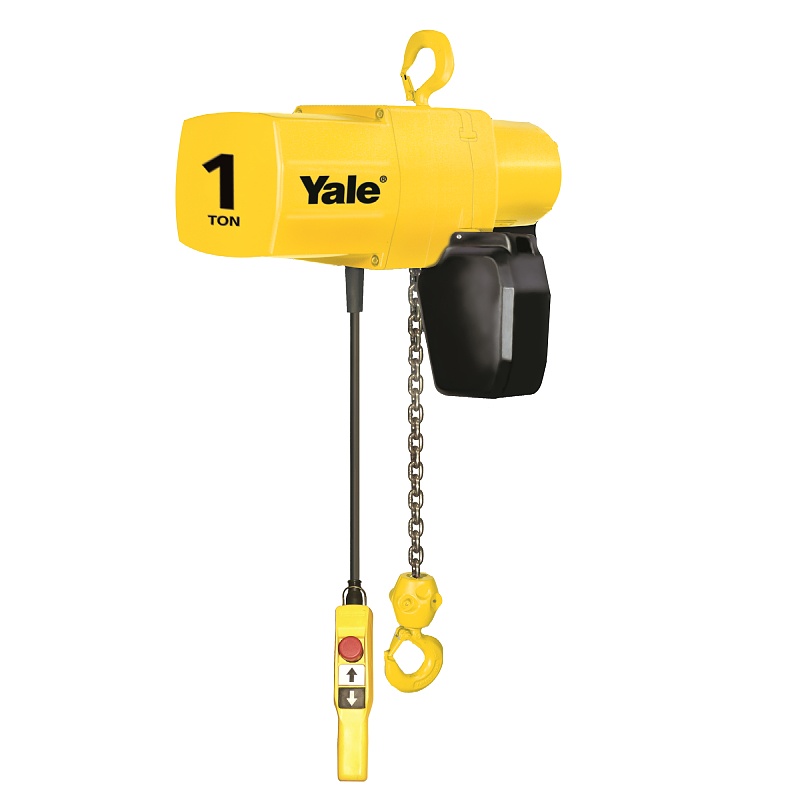
A chain hoist is an incredibly versatile tool that can transform your garage or workshop, allowing you to tackle a variety of heavy-duty tasks with ease. Whether you’re a seasoned mechanic, a woodworking enthusiast, or simply someone who loves taking on DIY projects, a chain hoist can make your work more efficient, safer, and less physically demanding. In this article, we’ll explore the top 10 ways you can use a chain hoist in your garage or workshop. 1.Lifting Engines and Transmissions 2.Hoisting Heavy Machinery Whether you’re working with heavy woodworking machines or industrial equipment, a chain hoist can help you lift and position these bulky items with ease. Moving a lathe, mill, or large drill press into position is a breeze with a chain hoist, allowing you to set up your workshop exactly the way you want it without straining your back. 3.Elevating Workpieces for Woodworking 4.Loading and Unloading Equipment Loading and unloading heavy equipment from trucks or trailers can be a daunting task. A chain hoist makes this job much easier by providing the lifting power you need to move heavy items on and off vehicles. This is particularly useful for tradespeople who frequently transport tools and machinery to different job sites. 5.Pulling Stumps or Heavy Objects While a chain hoist is typically used indoors, it can also be extremely handy for outdoor projects. If you have a stubborn tree stump that needs to be removed, a chain hoist can provide the pulling force required to yank it out of the ground. Similarly, you can use a chain hoist to move large rocks, boulders, or other heavy objects that are difficult to budge by hand. 6.Positioning and Installing Beams or Girders When it comes to construction projects within your workshop, such as building a mezzanine or reinforcing the structure, a chain hoist can be indispensable. It allows you to lift and position heavy beams or girders with precision, ensuring that everything is properly aligned and securely in place. This is especially useful for solo builders who might not have extra hands to assist with heavy lifting. 7.Moving Heavy Toolboxes or Workbenches Toolboxes and workbenches are often filled with heavy tools and materials, making them difficult to move around the workshop. A chain hoist can help you lift and relocate these items without the risk of injury. This is particularly helpful when rearranging your workspace or making room for new equipment. 8.Assisting in Garage Door Installation or Repair Installing or repairing a garage door can be a challenging task due to the weight and awkwardness of the door panels. A chain hoist can simplify this process by providing the lifting power needed to position the panels correctly. This ensures a smooth installation or repair process, reducing the risk of damage to the door or injury to yourself. 9.Tire and Wheel Changes on Heavy Vehicles Changing the tires or wheels on larger vehicles like trucks, RVs, or trailers can be a physically demanding task. A chain hoist can make this job easier by lifting the vehicle off the ground, allowing you to change the tires or wheels without having to rely solely on a jack. This not only makes the process safer but also reduces the effort required to lift the vehicle. 10.Creating a Custom Hoist System for Multiple Applications One of the greatest benefits of a chain hoist is its versatility. By setting up a custom hoist system in your garage or workshop, you can tackle a wide range of tasks with ease. Whether you need to lift engines, position beams, move heavy tools, or hoist workpieces, a well-designed hoist system can accommodate all of these needs and more. Conclusion A chain hoist is more than just a lifting tool; it’s a game-changer for anyone who works on heavy-duty projects in their garage or workshop. From automotive repairs to woodworking and construction, the versatility and power of a chain hoist can make your tasks easier, safer, and more efficient. If you’re serious about your projects, investing in a quality chain hoist is a decision you won’t regret. FAQ

10 лучших вариантов использования цепной тали в гараже или мастерской Читать дальше »

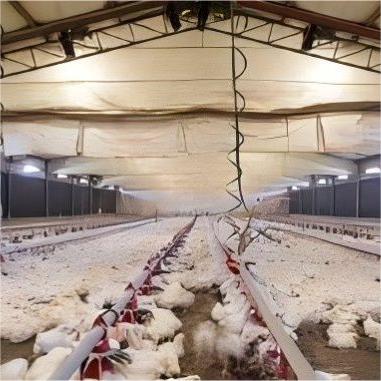
Многоцелевые лебедки для птиц

Революционизируйте свою ферму: полное руководство по современному птицеводческому оборудованию и лебедкам

Modern poultry farming demands efficiency, productivity, and the well-being of your flock. To meet these needs, integrating advanced poultry equipment and winches into your operation is essential. This guide will help you understand the latest innovations in poultry equipment and how poultry winches can transform your farm. The Importance of Modern Poultry Equipment Investing in modern poultry equipment is no longer a luxury; it’s a necessity for any serious poultry farmer. These tools enhance productivity, ensure the health and safety of the birds, and reduce labor costs. Let’s explore some key equipment that every poultry farm should have. Automated Feeding Systems Automated feeding systems are a game-changer. They ensure that your poultry receives the right amount of feed at the right time, reducing waste and promoting uniform growth. These systems can be programmed to distribute feed at regular intervals, ensuring consistency and efficiency. Efficient Watering Systems Proper hydration is crucial for poultry health. Modern watering systems provide clean, fresh water to your birds, reducing the risk of disease. These systems are designed to prevent spillage and contamination, ensuring that water remains clean and accessible. Ventilation Systems Good ventilation is essential for maintaining a healthy environment in your poultry house. Advanced ventilation systems regulate temperature and humidity, providing fresh air and removing harmful gases. This improves the overall health and productivity of your flock. Understanding Poultry Winches Poultry winches are indispensable tools for modern poultry farming. They help in the efficient management of various systems within the poultry house, such as feeding, watering, and ventilation. Let’s delve deeper into the role and benefits of poultry winches. What Are Poultry Winches? Poultry winches are mechanical devices used to lift, lower, or adjust equipment within the poultry house. They play a crucial role in maintaining optimal conditions for your flock by allowing you to easily adjust feeding, watering, and ventilation systems. Types of Poultry Winches There are several types of poultry winches available, each designed for specific tasks and farm sizes. Components of Poultry Winches A typical poultry winch system includes several key components: How Poultry Winches Improve Farm Operations Poultry winches significantly enhance various farm operations, contributing to overall efficiency and productivity. Choosing the Right Poultry Winch Selecting the right poultry winch for your farm involves considering several factors. Factors to Consider Installation and Maintenance of Poultry Winches Proper installation and maintenance are crucial for the effective operation of poultry winches. Installation Guide Follow the manufacturer’s instructions carefully during installation. Ensure all components are securely attached and the winch is correctly aligned. Regular Maintenance Regularly inspect the winch for wear and tear. Lubricate moving parts and check the cable or rope for any signs of damage. Replace any worn-out components promptly. Troubleshooting Common Issues If the winch is not operating correctly, check the power source and control systems. Ensure that the cable or rope is not tangled or damaged. Consult the manufacturer’s manual for specific troubleshooting tips. Conclusion Integrating modern poultry equipment and winches into your farm operations can revolutionize the way you manage your flock. These tools enhance efficiency, reduce labor costs, and ensure the health and safety of your birds. By investing in advanced equipment, you are setting your farm up for success in the ever-evolving world of poultry farming.

Революционизируйте свою ферму: полное руководство по современному птицеводческому оборудованию и лебедкам Читать дальше »

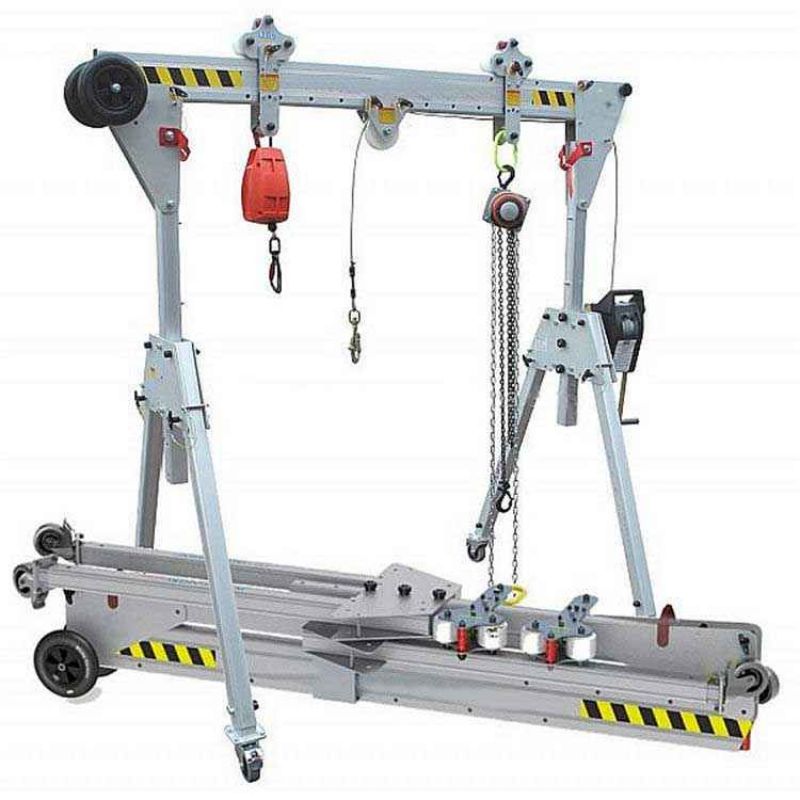
Алюминиевый козловой кран

Полное руководство по алюминиевым козловым кранам: переносные и мобильные козловые краны

Gantry cranes are vital tools in various industries, from construction to manufacturing, where lifting and moving heavy loads are a regular part of operations. Among the different types of gantry cranes, aluminum gantry cranes stand out for their lightweight yet robust nature. This guide will delve into the features, benefits, and applications of aluminum gantry cranes, including portable and mobile variants. What is an Aluminum Gantry Crane? Definition and Basic Structure An aluminum gantry crane is a type of overhead crane that consists of a horizontal beam (girder) supported by two vertical legs. These cranes are typically made of aluminum, making them lighter and more resistant to corrosion than their steel counterparts. Common Uses and Applications Aluminum gantry cranes are used in various industries, including manufacturing, warehousing, and construction, for tasks such as lifting machinery, moving heavy equipment, and loading materials. Types of Gantry Cranes Key Considerations When Choosing a Gantry Crane How to Properly Use an Aluminum Gantry Crane Safety Features and Standards Cost Considerations Case Studies and Examples Real-World Applications Many industries, from automotive to aerospace, use aluminum gantry cranes for various lifting tasks, showcasing their versatility and efficiency.Companies have improved operational efficiency and safety by implementing aluminum gantry cranes tailored to their specific needs. Conclusion Aluminum gantry cranes offer numerous benefits, including lightweight construction, corrosion resistance, and ease of mobility. By considering factors such as load capacity, mobility requirements, and environmental conditions, you can select the right crane to enhance your operations.Conclusion FAQ

Полное руководство по алюминиевым козловым кранам: переносные и мобильные козловые краны Читать дальше »

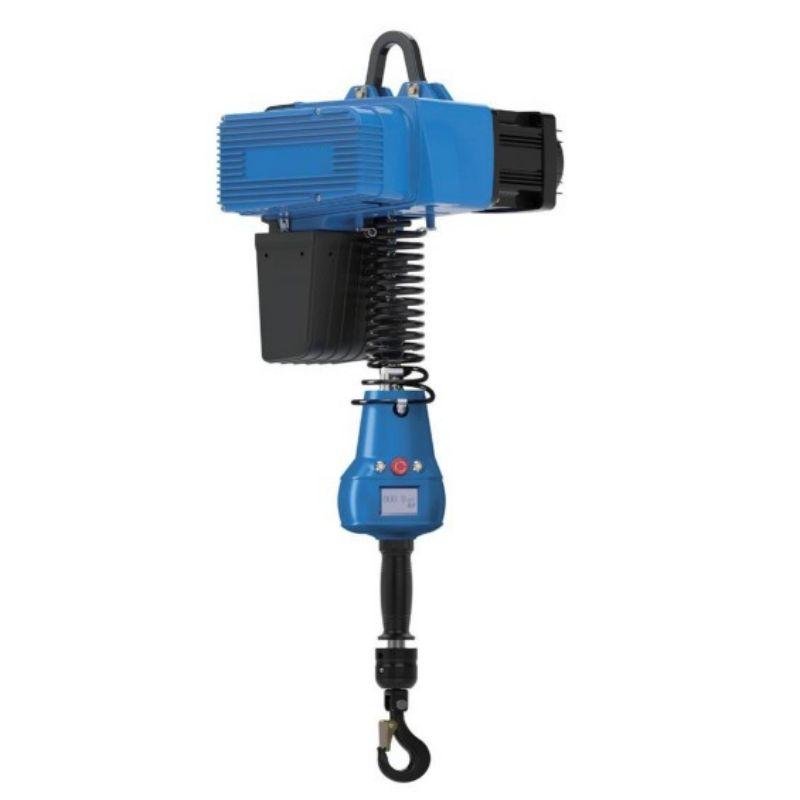
Сервоприводная интеллектуальная лебедка серии D3

Как правильно выбрать цепную таль?

Choosing the right chain hoist is crucial for ensuring safety, efficiency, and productivity in various lifting and handling operations. Whether you are in construction, manufacturing, or warehousing, a chain hoist can significantly ease the burden of lifting heavy loads. But with various types available, how do you know which one is right for you? This blog help you navigate the key factors in selecting the perfect chain hoist for your needs. Understanding Chain Hoists What is a Chain Hoist? A chain hoist is a mechanical device used to lift and lower heavy loads using a chain wrapped around a drum or wheel. These hoists are crucial in various industries, including construction, manufacturing, and warehousing. Types of Chain Hoists Electric Chain Hoists Electric chain hoists are powered by electricity and are suitable for lifting heavy loads efficiently and with ease. They are ideal for repetitive lifting tasks and can be operated with minimal physical effort. Manual Chain Hoists Manual chain hoists, also known as hand chain hoists, rely on human power to lift loads. They are typically used for lighter loads or where electricity is not readily available. Factors to Consider When Selecting a Chain Hoist Factors to Consider When Selecting a Chain Hoist Advantages of Electric Chain Hoists Electric chain hoists are ideal for heavy-duty tasks and can significantly reduce manual labor. They offer consistent performance, faster operation, and can handle larger loads with ease. When to Use Electric Chain Hoists Use electric chain hoists for heavy, repetitive lifting tasks, especially in environments where speed and efficiency are critical. Advantages of Manual Chain Hoists Manual chain hoists are more affordable and don’t rely on a power source. They are portable, easy to maintain, and suitable for lighter, less frequent lifting tasks. When to Use Manual Chain Hoists Manual chain hoists are best for occasional lifting tasks, especially in remote locations without electricity or for lighter loads. Features to Look for in a Chain Hoist Top Brands of Chain Hoists Electric Chain Hoist Brands Brands like Kito, CM Lodestar, and Harrington are known for their reliable and high-quality electric chain hoists. Manual Chain Hoist Brands For manual chain hoists, consider brands such as Yale, Tractel, and Tiger Lifting, which are renowned for their durability and ease of use. Cost Considerations Maintenance and Care of Chain Hoists Safety Tips for Using Chain Hoists Conclusion Selecting the right chain hoist involves considering various factors such as load capacity, lifting height, and the type of hoist. By understanding your specific needs and the features of different hoists, you can make an informed decision that ensures safety, efficiency, and reliability in your operations. FAQ

Как правильно выбрать цепную таль? Читать дальше »

Полное руководство KRC по промышленным лебедкам

Introduction When you think about the heavy lifting and pulling tasks in industries like mining, construction, and marine, one tool that stands out is the industrial winch. But what exactly is an industrial winch, and why is it so crucial in these industries? An industrial winch is a mechanical device used to pull in (wind up) or let out (wind out) or otherwise adjust the tension of a rope or wire rope (also called “cable” or “wire cable”). The device consists of a spool and an attached hand crank. When it comes to heavy-duty applications, these winches are motorized and come with various safety features. Types of Industrial Winches Manual Winches Manual winches are operated by hand and are suitable for lighter tasks where precision is key. They are commonly used in small construction sites and for personal use. Electric Winches Electric winches are powered by electricity and are perfect for medium to heavy-duty tasks. They are popular in construction and manufacturing industries due to their efficiency and ease of use. Pneumatic Winches Pneumatic winches operate using compressed air. They are ideal for environments where electricity could pose a risk, such as in explosive atmospheres. Key Components of Industrial Winches Key Components of Industrial Winches Advantages of Using Industrial Winches Efficiency and SpeedWinches significantly reduce the time and effort required to move heavy loads, enhancing operational efficiency.Safety FeaturesModern winches come with various safety features, such as automatic brakes and overload protection, minimizing the risk of accidents.VersatilityWinches are versatile tools that can be used in numerous industries and applications, from lifting to pulling and tensioning. Factors to Consider When Choosing an Industrial Winch Load CapacityChoose a winch with a load capacity that meets or exceeds your operational requirements.Power SourceConsider the availability of power sources in your work environment when selecting between electric, hydraulic, or pneumatic winches.EnvironmentThe environment where the winch will be used can impact its performance. For instance, marine environments require corrosion-resistant winches.CostEvaluate the total cost of ownership, including purchase price, installation, maintenance, and potential downtime costs. Installation and Maintenance Top Brands in the Market Ingersoll Rand Ingersoll Rand is famous for its excellent engineering design and manufacturing standards. Its winches usually use sturdy materials and advanced technology to ensure reliable operation in various harsh working conditions. Thern Thern manufactures a variety of industrial winches suitable for heavy lifting and pulling applications. Their products are known for versatility and customization, widely used in construction, mining, and marine industries. Columbus McKinnon (CMCO) Columbus McKinnon owns brands like CM, Coffing, and Yale, offering a wide range of industrial winches praised for their superior design and robust construction. Future Trends in Industrial Winches Automation Automation will continue to enhance the efficiency and safety of winch operations, reducing the need for manual intervention. Enhanced Safety Features Future winches will come with even more advanced safety features, such as AI-based monitoring systems. Sustainability Sustainable winches made from eco-friendly materials and designed for energy efficiency will become more prevalent. Conclusion Industrial winches are indispensable tools in various industries, offering efficiency, safety, and versatility. By understanding the different types, components, and applications of winches, you can make informed decisions about their use and maintenance. As technology advances, we can expect even more innovative and sustainable winch solutions in the future. FAQs

Полное руководство KRC по промышленным лебедкам Читать дальше »

Получите расценки сейчас

弹窗表单