Comment choisir le bon transpalette et le bon rotateur de bobine

In the world of material handling, choosing the right equipment is crucial for efficiency and safety. For businesses, selecting the right Logitrans pallet truck and Logitrans reel rotator can make a significant difference in operational effectiveness. This guide will help you understand the various types of pallet trucks and reel rotators, their features, and how to choose the best one for your specific needs. Understanding Pallet Trucks and Reel Rotators What is a Pallet Truck? A pallet truck, also known as a pallet jack, is an essential device used for lifting and moving palletized loads efficiently. Pallet trucks come in various types, including manual and electric versions, each designed to handle different load capacities and operational requirements. What is a Reel Rotator? A reel rotator is an innovative device designed for handling and maneuvering bulky cable reels. These devices are crucial in industries such as telecommunications, power distribution, and construction, where heavy reels need to be transported and positioned with ease. The Logitrans Reel Rotator is known for its robust construction and user-friendly controls, making it ideal for these demanding applications. Choosing the Right Pallet Truck Assessing Your Needs When choosing a pallet truck, consider the following factors: Weight capacity: Ensure the pallet truck can handle your typical loads. Type of pallets: Different pallets require different truck designs. Distance to be covered: Manual pallet trucks are suitable for shorter distances, while electric pallet trucks are better for longer distances. Key Features to Look For Load capacity: Choose a pallet truck that can handle your heaviest loads. Fork dimensions: Ensure the fork length and width are suitable for your pallets. Maneuverability: Look for a pallet truck with a small turning radius for easy navigation in tight spaces. Additional features: Consider features such as scales, brakes, and adjustable forks for added functionality. Types of Pallet Trucks and Their Applications Manual Pallet Trucks: Cost-effective and suitable for lighter tasks. The Logitrans Hand Pallet Truck is a robust and easy-to-handle option. Electric Pallet Trucks: Ideal for heavier loads and longer distances. The Logitrans Electric Pallet Truck offers quiet operation and ergonomic design for efficient handling in confined areas. Low Profile Pallet Trucks: Designed for pallets with lower entry points. High Lift Pallet Trucks: Used for stacking and higher lifting needs. Stainless pallet truck:Our stainless steel products are widely used in various areas of the pharmaceutical industry, including laboratories, production lines, and cleanrooms. These products not only meet high hygiene standards but also ensure maximum protection when handling delicate and costly components. Additionally, they perform exceptionally well in dry environments, ensuring operational safety and efficiency. Manual pallet truck Silent version of Manual pallet truck Electric Pallet Truck Stainless pallet truck Our easy-to-handle manual pallet truck boasts robust construction and specially designed wheels for effortless movement of even heavy pallets in both directions. Featuring rounded corners to prevent damage and ergonomic handles for user comfort, this pallet truck prioritizes safety and ease of use. Extensive testing ensures high quality you can trust. The Panther Silent pallet truck boasts special wheels for quiet maneuvering of heavy pallets indoors and outdoors. These innovative wheels resist debris and ensure smooth rolling, making them ideal for: Retail stores: Creating a pleasant shopping experience for customers. Mixed-use buildings: Maintaining quiet operation in residential areas. Various floor types: Protecting delicate surfaces like flagstone. The Panther Silent is a durable, eco-friendly pallet truck that minimizes noise and floor damage.   The Panther Maxi Electric Pallet Truckis designed for effortless and quiet transport of heavy loads (up to 1800 kg) in confined spaces. Here’s why it stands out: AC Technology: Ensures smooth, quiet operation. Ergonomic Design: Promotes safe, comfortable working posture with features like rounded corners for reduced damage and ergonomic handles. Maneuverability: Ideal for tight spaces. The Panther Maxi prioritizes both safety and user comfort, making it perfect for various indoor applications. Its extended testing and focus on health and safety guarantee a high-quality, reliable product. In high hygiene environments, quality stainless steel equipment is essential. Our products are built to meet the highest hygienic standards from the ground up. We offer top-quality, stainless steel equipment designed for various handling needs, prioritizing quality, safety, ease of use, and ergonomics. Our entire stainless steel range is available with a pharma finish. Learn more about the product Choosing the Right Reel Rotator Assessing Your Needs Types of reels you handle: size, weight, and material Specific tasks: loading, unloading, rotating for processing Key Features to Look For Load capacity: matching the rotator to your heaviest reels Rotation mechanism: manual vs. powered rotation Safety features: secure clamping, ergonomic controls Customizability: adjustable components to fit various reel sizes Types of Reel Rotators and Their Applications Manual Reel Rotators: suitable for lighter reels and infrequent use Powered Reel Rotators: ideal for heavy reels and frequent rotation tasks Specialty Reel Rotators: designed for specific industries or tasks Reel Rotator Reel Rotator with Straddle Legs Reel Lifter Multi Drum Turner The Reel Rotator is the perfect solution for transporting, lifting, and rotating heavy reels. Compact and highly maneuverable, it ensures ergonomic working conditions. Available in four unique models, the Reel Rotator offers options for manual or electric rotation, reel fastening/releasing, and lifting.   The Reel Rotator with straddle legs is ideal for transporting, lifting, and rotating heavy reels, including those on closed pallets. This versatile tool can handle reels on any pallet type, offering a compact and highly maneuverable solution that ensures ergonomically correct working conditions. Available in four unique models, the Reel Rotator comes with options for manual or electric rotation, reel fastening/releasing, and lifting. The Reel Lifter gently and easily lifts and places various types of reels, such as foil, paper, or cylinders, into packing, unwinding, and production machines. It is an ideal solution when space is limited around or under the machine, and when reels are placed in hard-to-reach areas. The Reel Lifter is compact, highly maneuverable, and can position reels accurately within the machine. It pairs perfectly with the Logitrans Reel Rotator, which can take a

Comment choisir le bon transpalette et le bon rotateur de bobine Lire la suite »

Le rôle des équipements de levage de scène dans la conception de scènes modernes

In the world of live performances, stage design is crucial for creating an unforgettable experience for the audience. Stage lifting equipment, such as stage hoists, stage electric hoists, and stage chain hoists, has become indispensable in modern stage design, enabling innovative and dynamic performances. Electric hoists, equipped with electronic controllers, play a significant role in this transformation. There are two main types of electric hoists used in stage design: Downside Hung Electric Hoists Usage: Ideal for touring performances and concerts. Advantages: Compact size and easy to transport, making them perfect for temporary setups and frequent relocations. Upside Hung Electric Hoists Usage: Commonly used in permanent installations such as large meeting halls, theaters, and banquet halls. Advantages: Provides greater stability and a higher safety factor, suitable for more demanding and long-term environments. Moreover, electric hoists can be customized with specific specifications and integrated with computer control systems to adapt to various environments and scenes, ensuring optimal performance and safety in any setting. Enhancing Stage Design and Production with Lifting Equipment Stage lifting equipment significantly enhances stage design and production by allowing for smooth, dynamic movements and special effects. For instance, stage electric hoists can be used to elevate platforms, create flying effects, or quickly change sets, adding a new dimension to performances. The versatility of stage hoists enables designers to experiment with various elements, resulting in more engaging and visually stunning productions. Examples of Innovative Stage Designs Using Lifting Equipment Spring Festival Gala In theater productions, stage chain hoists are used to manage scene changes efficiently. By lifting and lowering heavy sets seamlessly, these hoists ensure that the transitions between scenes are smooth, maintaining the flow of the performance. Large-scale concerts often utilize stage electric hoists to lift platforms and performers, creating dramatic entrances and exits. This not only enhances the visual appeal but also adds a level of excitement and surprise for the audience. Heilongjiang TV Singing and Smiling Construction of Beijing Shangri La Hotel Award shows and large events frequently use stage lifting equipment to handle heavy lighting rigs and props. This allows for quick adjustments and reconfigurations, ensuring that the stage setup meets the specific requirements of different segments of the show. SU series stage hoists STAGE KING Stage Electric Hoist High-Strength Shell: These stage hoists are equipped with a die-cast aluminum shell that provides excellent corrosion resistance and rust protection. The shell’s high sealing performance ensures reliable operation even in rainy conditions. Additionally, the lightweight and well-designed structure allow for easy installation and effective heat dissipation​​. Helical Gear Drive Transmission: The precision-grade 6 gears in these stage hoists ensure low noise and safe operation. This system is oil-lubricated and maintenance-free after sealing, with the gearbox featuring a temperature regulation function to extend the hoist’s lifespan​​. Clutch System: The SU series stage hoists utilize an imported wet clutch friction pad, providing overload protection and anti-collision capabilities. This maintenance-free system enhances the safety and reliability of the hoists​​. Electromagnetic Brake: These stage hoists come with a maintenance-free electromagnetic brake designed for harsh environments. The brake locks immediately when the power source is cut off, ensuring safety during operation​​. High-Performance Electric Motor: The electric motor in these stage hoists features an overheat protection device and insulation grade F, providing a high start-up torque and the ability to perform frequent and continuous operations without compromising performance​​. G100 Grade Load Chains: The load chains are made from high-strength alloy steel with an 8:1 safety factor, complying with the EN818-7 standard. This ensures the durability and safety of the stage hoists during heavy-duty applications​​. Compact Construction: The hoist features a small, lightweight design that is suitable for working in narrow spaces. Its compact size makes it easy to transport and install in tight areas​​. IP66 Protection Grade: With an IP66 rating, the STAGE KING hoist can operate effectively in rainy conditions, offering robust protection against dust and water ingress. This makes it ideal for outdoor performances and harsh environments​​. 360° Swivel Hook: The hoist is equipped with a 360-degree swivel hook that features an anti-detaching design. This ensures secure and flexible attachment, enhancing safety and convenience during operation​​. G100 Load Chains: The hoist utilizes high-strength G100 grade load chains with an 8:1 safety factor. These alloy steel chains comply with EN818-7 standards, ensuring durability and safety under heavy loads​​. Maintenance-Free Electromagnetic Brake: The electromagnetic brake system is designed to lock the brake immediately when the power source is cut off. This maintenance-free brake ensures safe and reliable operation, even in demanding conditions​​. Helical Gear Transmission: The precision grade 6 helical gears provide smooth and quiet operation with low noise levels. The gears are oil-lubricated and maintenance-free, contributing to the longevity and reliability of the hoist​​. High-Strength Nylon Chain Guide Device: The hoist includes a nylon chain guide device that ensures smooth and stable chain operation, reducing wear and tear on the chains and enhancing the overall performance of the hoist​​. Heat-Treated Aluminum Casting Shell: The shell of the hoist is made from heat-treated aluminum casting, which offers a lighter weight without compromising strength. This construction provides better durability and resistance to corrosion​​. Future Trends in Stage Lifting Technology The future of stage lifting technology looks promising, with advancements focusing on digital control systems and automation. Integrating digital controllers and PLC systems with stage hoists allows for precise movements and synchronization, enhancing the overall performance. Additionally, the development of more compact and lightweight lifting equipment will provide greater flexibility in stage design, enabling more creative and complex setups.

Le rôle des équipements de levage de scène dans la conception de scènes modernes Lire la suite »

Guide complet des treuils de construction : types, caractéristiques et conseils de sélection

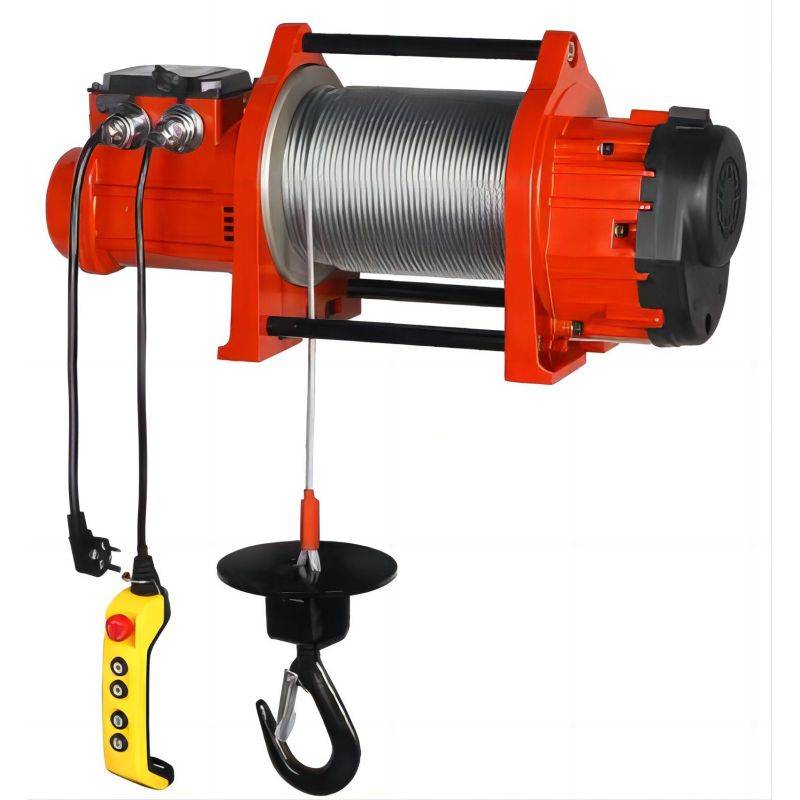
What is a Construction Winch and How Does It Work? A construction winch is a mechanical device used for lifting, pulling, and positioning heavy loads in construction and industrial applications. It operates by winding a cable or rope around a drum, driven by an electric, hydraulic, or diesel motor. The winch drum rotates, pulling in or letting out the cable, thereby moving the attached load. Winches are essential for tasks such as moving large materials, installing heavy machinery, and even anchoring ships. How It Works Motor Operation: The motor powers the winch, providing the necessary torque to the drum. Drum and Cable Mechanism: As the drum rotates, it winds or unwinds the cable, controlling the movement of the load. Brake System: Winches are equipped with brakes to hold the load in place when the motor is not running, ensuring safety. Control System: Operators use a control system, often an electric control box, to manage the speed and direction of the drum rotation. For more information on various construction winch models, visit the Construction Winch Different Models of Construction Winches A construction winch is a mechanical device used for lifting, pulling, and positioning heavy loads in construction and industrial applications. It operates by winding a cable or rope around a drum, driven by an electric, hydraulic, or diesel motor. The winch drum rotates, pulling in or letting out the cable, thereby moving the attached load. Winches are essential for tasks such as moving large materials, installing heavy machinery, and even anchoring ships. JM Winch JK Winch JMM Winch JKD Winch Pros: Suitable for medium to large-sized concrete, steel structures, and heavy machinery installation and disassembly. Can be used for marine applications with specialized motors and brakes. Versatile and reliable for heavy-duty tasks. Cons: Slower speed compared to other models. Larger size may limit mobility and ease of installation. JM slow-speed electric winch is ideal for installation and disassembly tasks and can be adapted for marine applications with IP56 marine duty motors and IP65 aluminum can brakes. Pros: Fast lifting and pulling speeds. Ideal for civil engineering projects and small equipment installation. Can be used as a hoist winch for derricks and cranes. Cons: Not suitable for extremely heavy loads. May require more frequent maintenance due to higher operational speeds. JK fast speed electric winch is excellent for quick and efficient material handling in construction projects, offering high speed and versatility. Pros: Ideal for long-distance pulling and large-stroke lifting. Provides constant rope speed and stable lifting, essential for large structures. Cons: Larger and more complex, requiring more space and maintenance. Higher cost compared to smaller winches. JMM type friction winch is designed for large-scale projects involving extensive pulling and lifting, offering stability and consistency. Pros: Compact and lightweight. Easy to operate with low noise and simple maintenance. Long service life and stable operation. Cons: Limited to smaller loads due to its compact size. Less powerful compared to larger winch models. JKD planetary winch is perfect for small-scale lifting and installation tasks, with a compact structure and reliable performance. Features and Advantages of Construction Winch Durability: Built to withstand harsh construction environments. Versatility: Suitable for various applications, from lifting heavy materials to precise positioning tasks. Efficiency: Enhances productivity by handling large loads quickly and safely. Safety: Equipped with robust braking systems and control mechanisms to ensure safe operation. Safety Features Construction winches are designed with numerous safety features to protect operators and ensure smooth operation: Emergency Stop: Allows for immediate shutdown in case of an emergency. Load Limiters: Prevents overloading by limiting the maximum load capacity. Brake Systems: Ensures the load is held securely when not in motion. Remote Control: Provides safe operation from a distance, reducing the risk of accidents. By understanding the different models and features of construction winches, as well as the key considerations for selecting the right winch, you can ensure efficient and safe operation in your construction projects. For more details and product options, visit the KRC Crane Construction Winch Product Page. What To Look For When Selecting A Construction Electric Winch When choosing a construction winch, consider the following factors: Location: Determine if the winch will be used on land or at a port. Application: Decide if you need it for horizontal pulling or vertical lifting. Load Capacity: Know your required load capacity or pulling force. Rope Capacity: Ensure the winch has the required rope capacity. Speed: Choose between slow speed, high speed, single speed, or two speed. Rope Guide: Determine if you need a rope guide for improved spooling. Power Source: Decide between electric, hydraulic, or diesel-powered winches. These considerations will help you identify the right winch equipment for your specific needs. For further assistance, contact our experts online to discuss your construction winch specifications.

Guide complet des treuils de construction : types, caractéristiques et conseils de sélection Lire la suite »

Stimuler la productivité : le rôle des palans pneumatiques dans le levage industriel

What is an air hoist? Air hoist, also known as pneumatic hoist, is a lifting equipment using compressed air as the power source. These cranes are typically used in industrial environments where electricity may be inappropriate or unavailable or where electrical hazards exist, such as where flammable gases or combustible materials are present. Air hoists usually consist of a motor, a gearbox and a pneumatic lifting mechanism. Compressed air is supplied to the hoist, which then drives the motor to lift and lower the load. Air hoists vary in design, but they are generally known for their durability, reliability, and ability to handle heavy loads. Due to their use of compressed air as the power source, pneumatic hoists are often the first choice in industries such as mining, oil and gas, shipbuilding and manufacturing, where robustness and safety are paramount. They are also preferred in environments where electrical sparks may ignite flammable materials, as air hoists do not generate sparks during operation. Overall, air chain hoists are valued for their robustness, suitability for hazardous environments, and ability to lift heavy loads safely and efficiently. What is the purpose of a hoist? The primary purpose of a hoist is to lift and lower heavy objects safely and efficiently. Hoists are an essential tool in various industries including construction, manufacturing, warehousing and logistics. They provide a mechanical advantage by using pulleys, chains, or ropes to increase the force exerted by the operator, allowing them to lift objects that are too heavy to move manually. The key purposes of hoists include: Material Handling: Cranes are used to lift materials and equipment vertically to facilitate tasks such as loading and unloading trucks, moving heavy machinery, and positioning components during assembly. Load positioning: Cranes provide precise control over the positioning of loads, allowing operators to place them exactly where they are needed, whether on a construction site, manufacturing plant or warehouse. Safety: Cranes help minimize the risk of injury when manually lifting and moving heavy objects. By mechanizing the lifting process, hoists reduce the strain on workers’ bodies and decrease the likelihood of accidents caused by dropped or mishandled loads. Efficiency: Hoists improve efficiency by speeding up material handling processes, reducing downtime, and increasing productivity. They enable workers to move heavy loads with minimal effort and in less time compared to manual methods. Versatility: Hoists come in various types and configurations, allowing them to be adapted to different environments and applications. Whether it’s a small workshop or a large industrial facility, there’s a hoist available to suit specific needs. In essence, hoists play a crucial role in streamlining operations, enhancing safety, and improving productivity across a wide range of industries. They are indispensable tools for lifting and moving heavy loads efficiently and safely. Which is better electric hoist or air hoist? Whether an electric hoist or a pneumatic hoist is better depends on a variety of factors, including the specific needs of your application, the operating environment and your budget constraints. Let’s compare the two: Electric Hoist: Advantages: Ease of use: Electric hoists are generally easier to install and operate, and only require a power source. Precise control: They provide precise control over raising and lowering operations, making them suitable for delicate tasks. Smooth operation: Electric hoists provide smooth and consistent lifting, which is beneficial for certain applications. Indoor use: They are ideal for indoor applications where power is sufficient. Considerations: Environmental limitations: Electric hoists may not be suitable for use in environments where there is exposure to flammable gases or combustible materials due to the risk of sparks. Purchase Cost: Compared to a pneumatic hoist, the purchase cost can be higher, especially if additional safety features are required. Demag DCS-Pro Chain Hoist The Demag DCS-Pro chain hoist delivers high efficiency and reliability, ensuring maximum precision in assembly operations. Learn more Monorail Electric Wire Rope Hoist Our Monorail Electric Wire Rope Hoist is a versatile lifting solution suitable for a wide range of applications. Learn more ABUS Type E – Monorail Wire Rope Hoists ABUS Type E monorail wire rope hoists offer versatile and economic solutions for material flow applications, featuring a compact design and adjustable cross travel trolley for enhanced flexibility. Learn more Air Hoist: Advantages: Durability: Air hoists are known for their robustness and ability to withstand harsh environments, making them suitable for outdoor and rugged applications. Explosion-proof: They inherently lack electrical components, reducing the risk of sparks, and making them suitable for hazardous areas. Heavy Load Capacity: Air hoists are capable of handling heavier loads compared to electric hoists of similar size. Lower Operating Costs: In some cases, air chain hoists may have lower operating costs, especially if compressed air is readily available. Considerations: Need for Compressed Air: Air hoists require access to a compressed air supply, which may not be available in all settings. Installation and Maintenance: pneumatic hoists may require additional installation and maintenance considerations compared to electric hoists. Control: They may not offer the same level of precise control as electric hoists, which can be a consideration for certain applications. Ultimately, the choice between an electric hoist and an air hoist depends on your specific needs and priorities. If you prioritize precise control and ease of use, an electric hoist may be the better option. However, if durability, explosion-proof capabilities, and heavy load capacity are critical factors, a pneumatic hoists could be more suitable. Consulting with industry experts and considering the requirements of your application will help you make an informed decision. Yale CPA Air Hoist with The Yale Air Hoist with Trolley is a robust and efficient pneumatic chain hoist designed for heavy-duty industrial lifting applications. Powered by compressed air, it offers reliable and precise load control with an integrated trolley for smooth horizontal movement. Learn more Pneumatic Chain Hoist Experience smooth and reliable lifting for heavy loads with our pneumatic chain hoist. Learn more Chester ALH Pneumatic Chain Hoist Experience superior performance and versatility with the Chester ALH Pneumatic Chain Hoist, featuring a low profile design and customizable features for

Stimuler la productivité : le rôle des palans pneumatiques dans le levage industriel Lire la suite »

À la découverte du monde des treuils pneumatiques : caractéristiques, applications et consignes de sécurité

In heavy lifting and industrial applications, winch choice can mean the difference between efficiency and risk. As technology advances and the industry develops, the demand for reliable and versatile winches continues to grow. Among the many options available, air winches stand out for their unique advantages in certain environments. Understanding their capabilities, applications, and best practices is critical to safe and effective operations. What is an Air Winch? Air Winches and Air Tuggers are types of winches that are powered by compressed air. It consists of a motor or air engine that utilizes compressed air to drive a drum or gear mechanism, which in turn winds up or unwinds a cable or rope. A cable or rope is usually attached to the load, allowing the winch to lift, pull, or pull the object. Pneumatic winches are often used in industrial applications where electric power or hydraulics may not be suitable or available. They are often preferred in hazardous environments where the presence of electricity could create a fire or explosion hazard because they eliminate the risk of sparks. Air winches are versatile tools that can be used in a variety of applications, including heavy lifting, towing equipment or vehicles, and towing objects. They are used in industries such as construction, mining, shipping, oil and gas. One of the main advantages of pneumatic winch is the ability to precisely control the movement of the load, allowing the operator to easily adjust speed and direction using a simple control mechanism. They are also known for their durability, efficiency, and low maintenance, making them a popular choice in a variety of industrial settings. Where Are Air Winches Used? Air winch tuggers are commonly used in various industries where there’s a need for lifting and pulling heavy loads in environments where electricity might not be available or could pose a hazard. Some common applications include: Offshore oil and gas: Air winches are extensively used in offshore drilling rigs Offshore oil and gas: Air winches are commonly used on offshore drilling platforms. Ships: They are used on ships and vessels to perform tasks such as docking, anchoring, and cargo handling. Construction: Aerial winches are used on construction sites to lift heavy objects to great heights and pull loads into place. Mining: In mining operations, pneumatic winches are used to transport equipment, materials and ore into mines. Utilities: Pneumatic winches are used in the utility industry for tasks such as pulling cables and wires, lifting equipment during maintenance, and positioning heavy components. Forestry: In forestry, air winches are used to pull logs and other heavy objects over rough terrain. Manufacturing: They are used in manufacturing facilities to transport heavy machinery and materials within the facility. Railway: Pneumatic winches are used on railway sections for tasks such as moving rail cars and positioning heavy components. In summary, air winches are versatile tools used in various industries where there’s a need for reliable, portable, and powerful lifting and pulling equipment. Is an Air Winch Better Than an Electric Winch? According to whether you should select air tugger or electric winch, it depends on several factors like the type of use, surrounding conditions, power supply, and finally operating conditions. There are pros and cons to each winch system: ・Advantages of Air Winches: A significant benefit of an air winch is that it can be used in environments where there is a risk of explosion. This includes areas such as oil refineries, chemical plants, and offshore drilling platforms. The air winch operates on compressed air instead of electricity or hydraulics, which eliminates the potential source of sparks that could ignite flammable gases or vapors present in these environments. Another advantage of air winches is their compact size and lightweight design, which makes them easy to transport and install in various locations without the need for additional heavy machinery or equipment. Intrinsically safe: Air winches are explosion-proof, meaning they can be used in places where there is the potential for fire or an explosion. One such place would be a rig on an oil derrick or even mines, and it may be best for you to consider using air winches as well due to their high torque output that usually ensures that these machines perform heavy-duty pulling or lifting jobs very effectively and efficiently. Winches of the air in many cases are more portable than electric winches because they do not need to have the electrical supply. They can be transported with ease and employed in locations that are far away from us. One advantage that can be attributed to the cooler operation of air winches is that they do not generate as much heat as electric winches, and this can be an advantage in some applications. ・Advantages of Electric Winches: Pondering about ease of use, electric winches are usually simpler to control and, in most cases, require low-level maintenance, which can never be compared to air winches that might need regular lubrication as well as managing air supply. Proper handling: Electric winches can perform a wider range of tasks with more accuracy when it comes to speed and torque regulation, enabling the execution of very delicate operations and minor fine-tuning. One advantage that electric winches have over their counterparts is their quiet operation, which ensures suitability for use in closed quarters, as well as surroundings where noise is likely to irritate many people. Electric winches are easier to find and can be powered by the common electrical outlets, which are more available in comparison to the compressed air sources at most places. It is true to say that the decision to employ either an air winch or an electric winch should consider some other issues, specifically safety demands, energy consumption, environmental aspects, and operational specifications. Different kinds of winches offer their own special advantages and may be more appropriate for one situation or another. Is an Air Winch Better Than an Electric Winch? There are numerous actions that should be prohibited while handling an air winch to maintain the safety and effectiveness

À la découverte du monde des treuils pneumatiques : caractéristiques, applications et consignes de sécurité Lire la suite »

Choisir le bon treuil pneumatique pour vos besoins industriels

Introduction Are you searching for the perfect pneumatic winch to meet your industrial requirements? Selecting the right pneumatic winch is crucial for optimizing efficiency and safety in various industrial applications. Let’s explore the key considerations, performance metrics, and safety features you need to know to make an informed decision. Key Considerations When choosing a pneumatic winch for your industrial needs, several factors must be considered. Firstly, evaluate the load capacity required for your specific application. Secondly, assess the line speed to ensure timely operations. Additionally, consider the duty cycle of the winch to match the demands of your workflow. Finally, take into account the environmental conditions in which the winch will operate, such as temperature, humidity, and exposure to corrosive substances. Performance Metrics Performance metrics play a crucial role in determining the efficiency and effectiveness of a pneumatic winch. Look for winches with high lifting capacity to handle heavy loads effortlessly. Consider the air consumption rate to minimize energy costs and environmental impact. Furthermore, pay attention to the power-to-weight ratio to ensure optimal power output without compromising portability. Safety Features Safety should always be a top priority when selecting a pneumatic winch for industrial use. Choose winches equipped with essential safety features such as overload protection, emergency stop mechanisms, and automatic braking systems. These features help prevent accidents and protect both personnel and equipment from harm. Customization and Adaptability Customization options allow you to tailor the pneumatic winch to your specific industrial requirements. Look for winches that offer customizable features such as rope length, drum size, and mounting options. Additionally, opt for winches with adaptability to different applications, ensuring versatility and flexibility in your operations. Case Studies and Real-World Examples To gain a deeper understanding of how pneumatic winches can benefit your industrial operations, consider real-world examples and case studies. Explore how companies in various industries have successfully implemented pneumatic winches to improve efficiency, productivity, and safety. These insights can help you make informed decisions and choose the right winch for your specific needs. Conclusion Selecting the right pneumatic winch for your industrial needs requires careful consideration of various factors, including load capacity, performance metrics, safety features, customization options, and real-world applications. By understanding these key aspects, you can make an informed decision that optimizes efficiency, safety, and productivity in your industrial operations. Learn more about our range of pneumatic winches

Choisir le bon treuil pneumatique pour vos besoins industriels Lire la suite »

Guide complet des treuils pneumatiques par Karui Lifting Equipment (KRC) Co., Ltd

OVERVIEWAND USE: The QJH pneumatic winch is powered by an AMH piston-type air motor, designed for single-drum operation. primarily used in metal mines, coal mines, construction engineering, and oilfields for hauling and lifting heavy objects. Its compact size, lightweight construction, adjustable speed, ease of handling, and quick installation make it particularly well-suited for underground operations in mining environments. It excels in tasks such as dispatching at loading stations, hauling mine trucks, and lifting and pulling heavy tools and instruments in narrow underground alleys. With its robust design and versatile functionality, the QJH pneumatic winch is a reliable solution for various industrial applications, offering efficiency and convenience in demanding work environments. STRUCTURE AND WORKING PRINCIPLE: The structure and working principle of the QJH pneumatic winch are fundamental to its efficiency and functionality. Powered by compressed air, this winch employs a piston air motor and a reduction mechanism featuring internal and external gear transmission pairs. These components work in tandem to drive the drum operation, facilitating the winching process effectively. Key structures of the winch comprise air motors, gearboxes, drums, and brakes. Through this integrated design, the winch can deliver robust performance in various industrial applications, ensuring reliable lifting and hauling operations. WINCH BRAKE: Winch brake systems play a critical role in ensuring safety and control during winch operations. Here’s an overview of different types of winch brakes: Manual Drum Brake (Standard): This type of brake is operated by a handle that can be pressed to engage the brake or pulled up to release it. When fully pressed, the handle locks, preventing the drum from rotating until it’s released. Proper adjustment is essential to maintain the required load. Foot Brake (Standard): Comprising brake belt, steel belt, pedal, and other components, the foot brake functions similarly to a cylinder brake. However, it differs in that it’s only operational when the winch is in use. When the pedal is pressed, the brake belt and brake hub engage, increasing braking force with pedal pressure. It’s useful for short pauses during lifting operations or emergency braking when the winch is not actively controlled. Cylinder Drum Brake (Optional Function): Consisting of brake belt, steel belt, and a self-centering cylinder, this brake offers adjustable braking force. Tightening the nut adjusts the tightness between the brake belt and the brake hub, allowing for varying levels of braking force. When the winch operates, compressed gas enters the cylinder, shrinking the piston rod to release the brake hub, enabling drum rotation. In the event of low air pressure or gas cutoff, a self-return spring tightens the brake belt to complete braking. Automatic Disc Brake (Optional Function): These brakes utilize spring-braking and air-releasing mechanisms. An air-actuated, spring-loaded piston automatically disengages the brake when the motor runs, and the brakes engage when the throttle returns to the neutral position. Brake release occurs by overcoming spring pressure and moving the piston via air pressure in the brake housing. It’s important to note that prolonged exposure to corrosive environments can cause band brake linings to adhere to the brake drum. During periods of inactivity, it’s recommended to leave the belt brake in the released position to prevent such adhesion. Each type of winch brake offers distinct advantages and is suited for specific applications. Proper selection and maintenance of the brake system are crucial for ensuring safety, control, and efficiency during winch operations. 0.1T-8T pneumatic winch KRC’s pneumatic winches provide safe, reliable lifting from 0.1T to 8T capacities for industrial applications. Powered by compressed air and controlled manually or remotely, these winches feature auto braking, flexible operation, light weight designs and corrosion resistant finishes. 10T-15T Pneumatic Winches A series of heavy duty pneumatic winches from 10 ton to 15 ton capacity, adopt piston air motor drive, manual/remote control models, equipped with hand brake + air brake for safe lifting. 25T pneumatic winch High-performance 25-ton winch powered by compressed air, featuring manual (optional remote) control, piston-type air motor drive, planetary reduction torque, automatic disc brake, and dual air brake for exceptional braking force, stability, and safety. Stainless steel 304 protective cover with marine anti-corrosion paint ensures durability. LUBRICATION: To ensure the air winch continues to operate smoothly, all lubrication points must be serviced with the correct lubricant at appropriate intervals according to each component’s specifications. Only use the recommended lubricants, as other lubricants may affect product performance. Always use the recommended grade of oil to prevent damage to the winch and/or its associated components. Using improper oil can result in high temperatures, decreased efficiency, and potential damage to lubricated parts. Refer to the recommended lubricant table. Lubrication Interval It is recommended to perform the first oil change after approximately 50 hours of initial operation. Subsequently, discharge and replace the oil according to the intervals specified for each component. Check the oil consumption of the air line lubricator daily. Always inspect drained oil for signs of internal damage or contamination (metal shavings, dirt, water, etc.). Check the motor oil level and investigate and correct any signs of damage before resuming winch operation. Check the gearbox and disc brake oil. Allow the oil to settle before topping up after product operation. Collect lubricants in suitable containers and dispose of them in an environmentally safe manner. Replace the disc brake oil. Pneumatic products use oil to prevent overheating and to guard against wear that could potentially cause sparks. Proper oil levels must be maintained to ensure the winch continues to operate smoothly. All lubrication points must be serviced with the correct lubricant at appropriate intervals according to each component’s specifications. AIR SUPPLY: To ensure optimal motor performance, the air supply must be clean, moisture-free, and properly lubricated. Premature motor wear and failure often result from foreign matter, moisture, or insufficient lubrication. Utilizing air filters, lubricators, and moisture separators enhances product performance and minimizes unplanned downtime. Installation of air line lubricators, filters, and regulators close to the motor air intake is crucial. The lubricator should be positioned within a 3-meter radius from the motor. Additionally, consider mounting the airline accessory

Guide complet des treuils pneumatiques par Karui Lifting Equipment (KRC) Co., Ltd Lire la suite »

Assurer la sécurité et l'efficacité : exigences relatives à l'utilisation d'un palan manuel à chaîne

In industrial lifting operations, the proper operation of a hand chain hoist is essential for ensuring both safety and efficiency. Strict adherence to relevant requirements, such as pre-lifting checks and chain flexibility tests, is crucial to prevent accidents and maintain a safe working environment. Core Focus: Pre-Lifting Inspection: Before commencing lifting operations with a hand chain hoist, it is imperative to conduct a thorough inspection of all components, including the chain, bearings, and load-bearing capacity. Additionally, cleanliness and hygiene must be maintained to ensure optimal performance. Avoid Overloading: Each hand chain hoist has specified load-bearing limits that must not be exceeded during operations. Overloading can lead to chain breakage, posing risks of injury to personnel. Operators must adhere strictly to these load capacity requirements. Ensure Smooth Chain Operation: Throughout the lifting process, the chain must maintain smooth operation, with each link properly aligned and free from twisting. Any deviations from this standard should be addressed promptly to avoid operational hazards. Maintain Correct Direction: When operating a hand chain hoist, it is essential to ensure that the pulling direction aligns with the hand chain wheel, maintaining a consistent plane. Pulling at an angle can result in chain jamming, compromising safety and efficiency. Apply Smooth Tension: Consistent and smooth application of force is crucial when using a hand chain hoist for lifting. Sudden changes in tension can lead to chain jumping or jamming. If excessive tension or difficulty in pulling is encountered, operators must investigate the root cause without resorting to forceful pulling to avoid chain breakage or component failure. By adhering to these requirements and following proper operating procedures, operators can mitigate risks and ensure the safe and efficient use of hand chain hoists in lifting operations. Regular maintenance and adherence to safety protocols are paramount to maintaining a secure working environment.

Assurer la sécurité et l'efficacité : exigences relatives à l'utilisation d'un palan manuel à chaîne Lire la suite »

Amélioration de l'efficacité avec le palan à chaîne pneumatique Chester ALH

When it comes to lifting solutions, the Chester ALH pneumatic chain hoist stands out as a compact yet robust option for various applications. Engineered to deliver exceptional performance in confined spaces, this hoist offers unparalleled versatility and durability. Featuring an ultra-low profile design, the Chester ALH pneumatic chain hoist is ideal for operations in cramped environments where traditional hoists may not fit. Its compact appearance, coupled with an integrated pneumatic trolley, ensures both aesthetic appeal and space-saving functionality. This makes it a preferred choice for industries with limited workspace. Constructed from sturdy steel, the Chester ALH pneumatic chain hoist is built to withstand harsh working environments, ensuring longevity and reliability. Whether it’s in manufacturing facilities, construction sites, or warehouses, this hoist can handle the rigors of daily operations with ease. One of the standout features of this hoist is its precise control handle, which allows for adjustable speed settings for both hoist and trolley movements. This enables operators to perform tasks with utmost precision and efficiency, enhancing overall productivity. Safety is paramount in any lifting operation, and the Chester ALH pneumatic chain hoist is equipped with upper and lower limit switches to ensure smooth and safe operation of the lifting hooks. Additionally, trolley options include hand-push, hand-pull, and pneumatic variations with anti-tilt functionality, further enhancing safety and control. Customizability is another key aspect of the Chester ALH pneumatic chain hoist, with options available to fit almost any beam size. Its unique design also facilitates easy and convenient installation on single beam tracks, minimizing downtime and maximizing efficiency. In conclusion, the Chester ALH pneumatic chain hoist offers a compact, durable, and versatile solution for a wide range of hoisting applications. With its robust construction, customizable features, and emphasis on safety and efficiency, it is a valuable asset in any industrial setting.

Amélioration de l'efficacité avec le palan à chaîne pneumatique Chester ALH Lire la suite »

Obtenez un devis maintenant

弹窗表单